
case study
Trail of Echoes – Mobile Endless Runner
Game
About
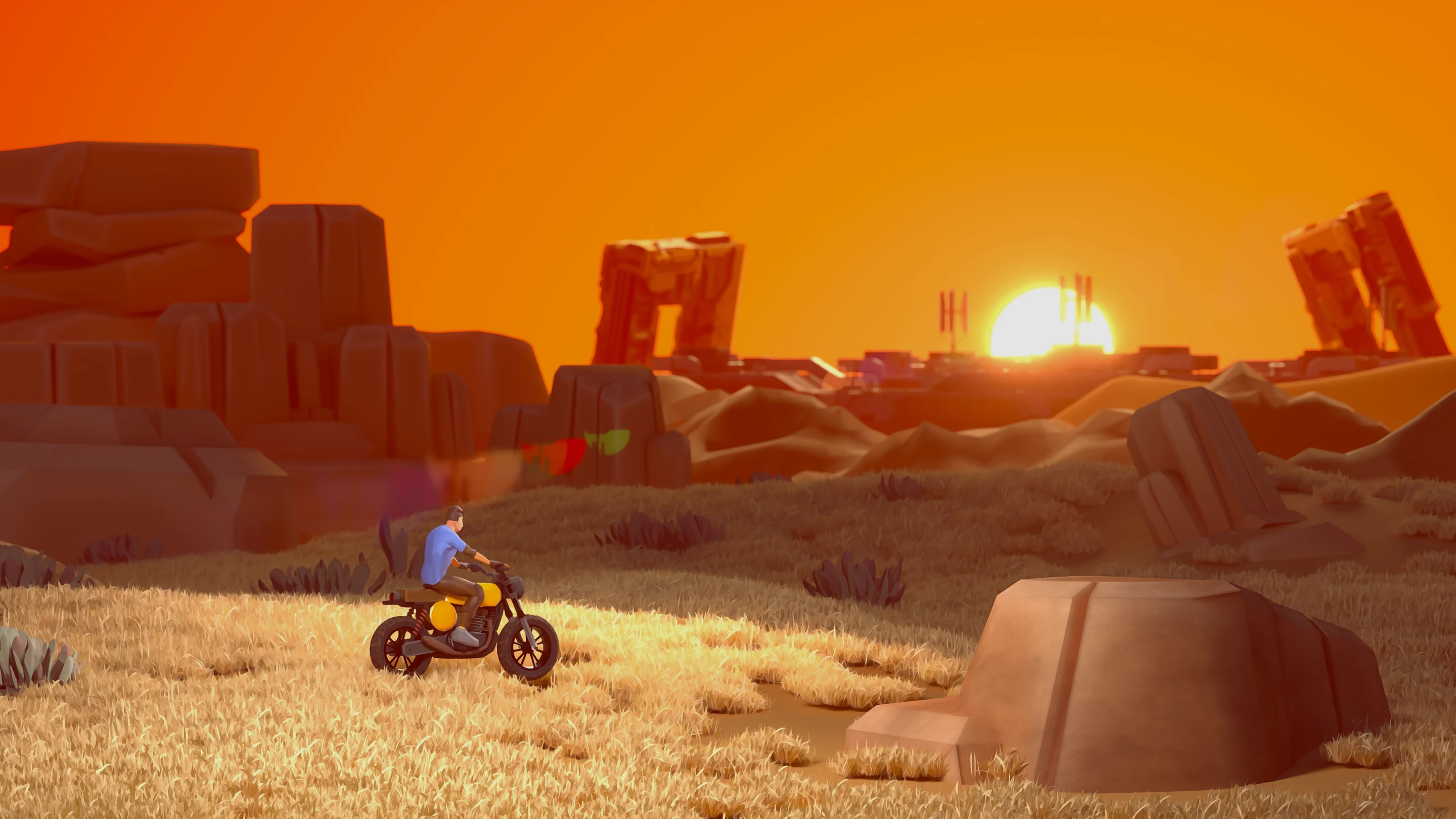
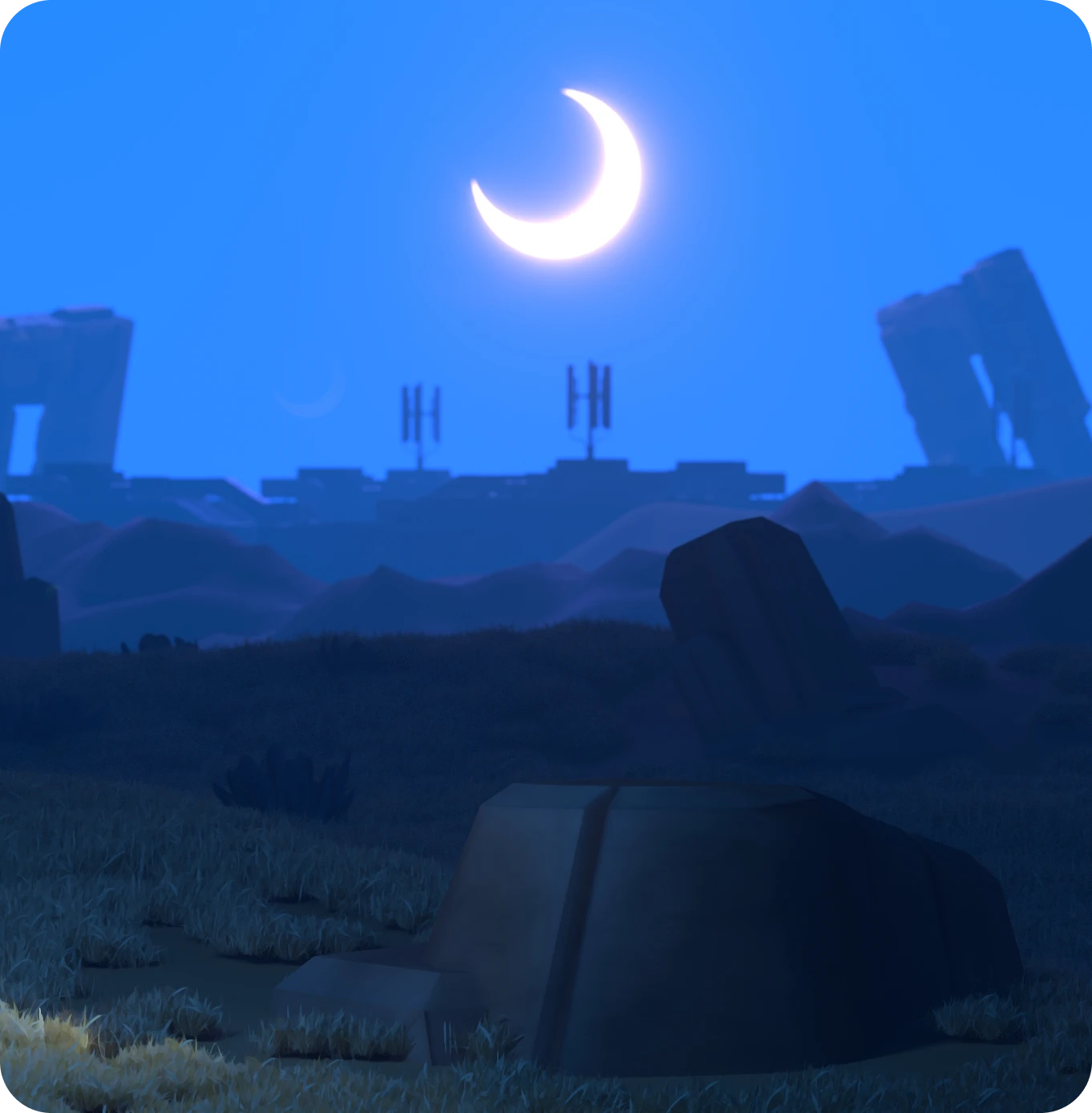
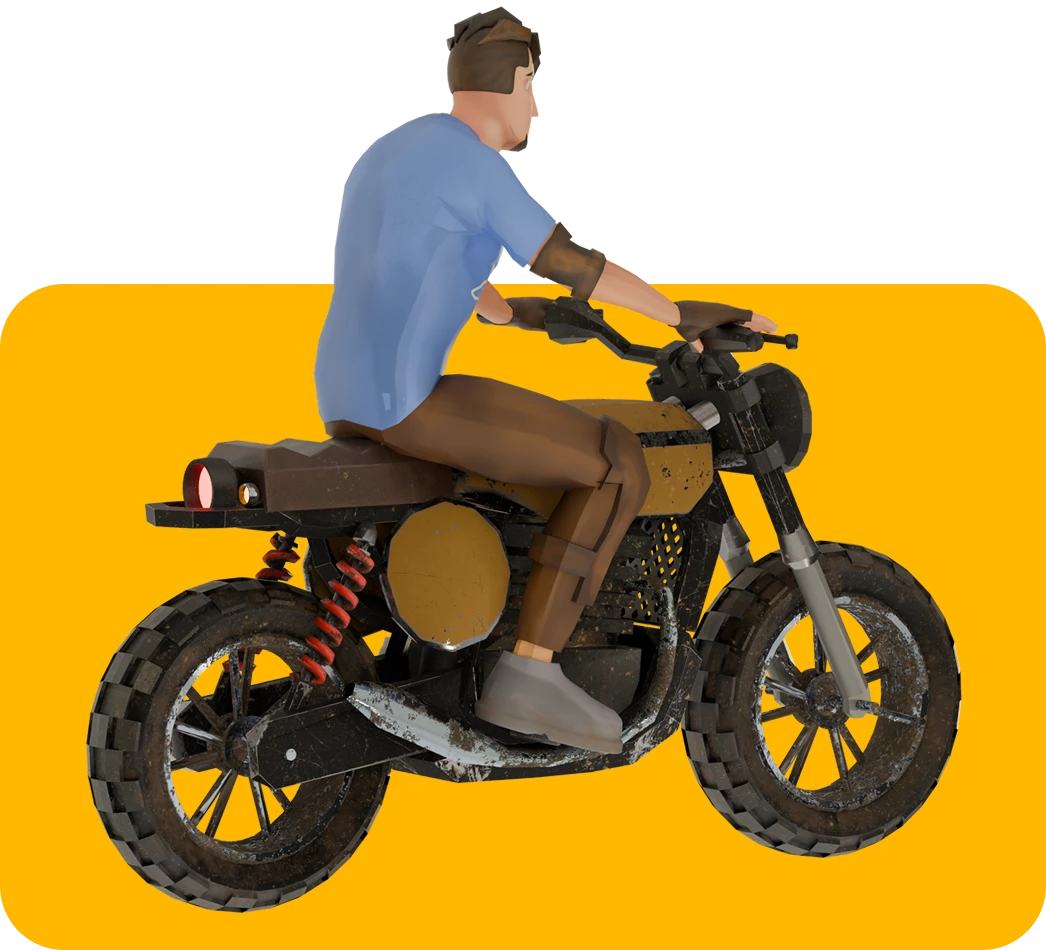
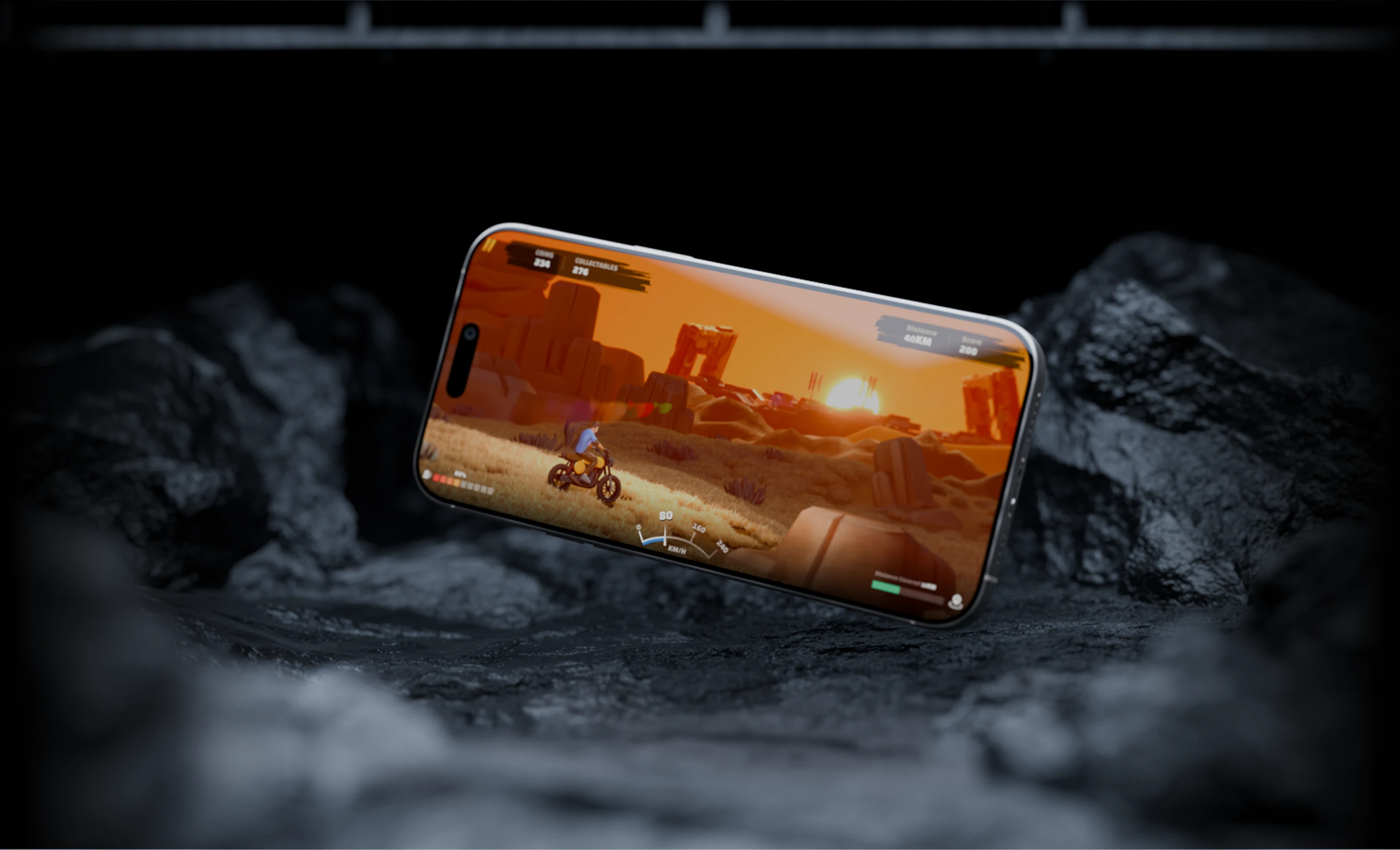
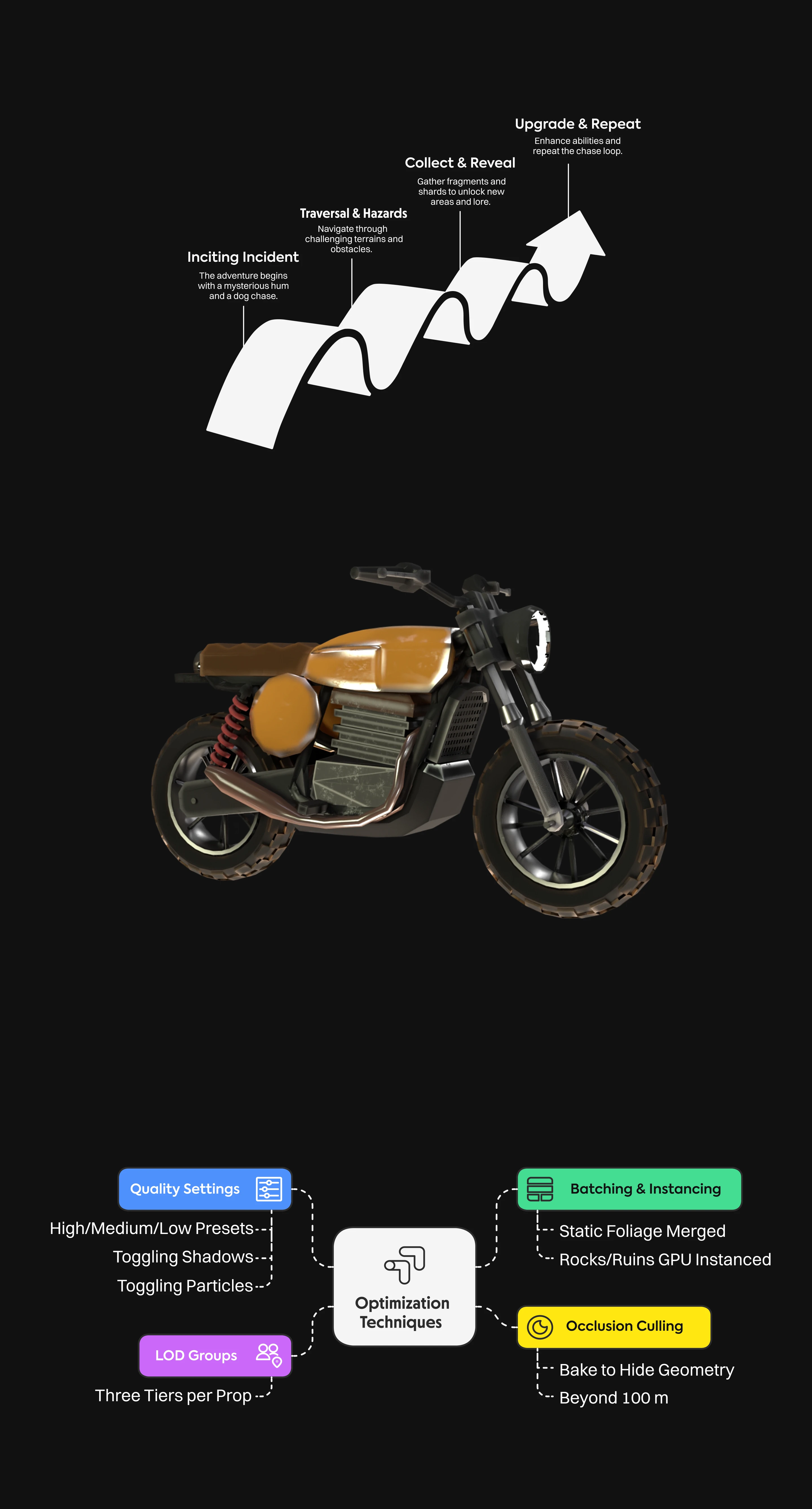
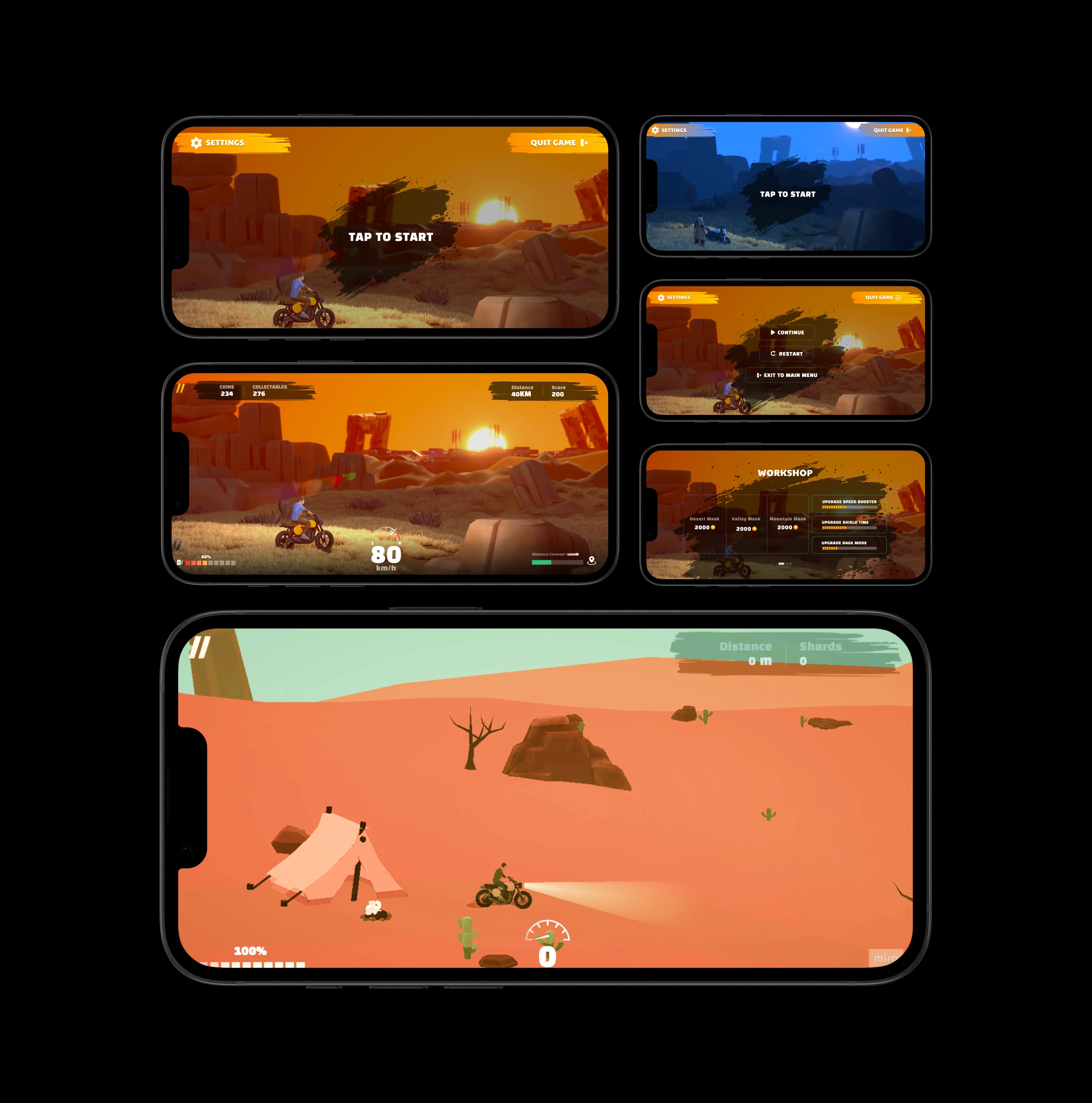
Trail of Echoes is a 3D endless-runner mountain-biking game where the player chases their dog through procedurally generated temples, collecting fragments of ancient Kalarupa masks to uncover a lost civilization’s cosmic legacy . This case study details the end-to-end Blender → Unity pipeline, technical architecture, and key learnings.

Challenge
Creating a story-rich experience in a genre often focused solely on mechanics.
Endless runners typically lack narrative depth, so we needed to introduce compelling storytelling without interrupting the fast-paced flow.
Designing dynamic, evolving trails that feel natural
Procedurally generated environments risk feeling repetitive or artificial, so the trails had to evolve organically to match the narrative and maintain immersion.
Balancing speed with atmospheric mystery
Players needed to maintain momentum while still absorbing environmental clues, lore, and mood without feeling overwhelmed or rushed.
Fostering emotional connection with a non-speaking companion
Without dialogue, Scout had to evoke empathy and urgency through animations, sounds, and subtle environmental interactions.

Techinical Architecture
Tile Manager
Supports dynamic biome transitions based on distance and story progression. Handles tile lifecycle management (spawn, update, recycle) to maintain seamless trail generation without loading delays. Allows designer-controlled tile variations for visual diversity across biomes.
Spawn Controller
Dynamically adjusts spawn rates of artifacts, tablets, and masks based on distance traveled and narrative triggers. Introduces randomized but weighted placement to preserve mystery and player curiosity. Hooks into a distance-tracking system to maintain contextual spawning logic tied to lore discovery.
Shader Graph System
Houses cel-shading materials for characters and props to achieve a graphic-novel-inspired visual identity. Includes glow effects for environmental storytelling elements (e.g., glowing runes, pawprints, ancient masks). Shared across all world props and collectibles to maintain performance efficiency and visual consistency.
Techinical Architecture
Tile Manager
Supports dynamic biome transitions based on distance and story progression. Handles tile lifecycle management (spawn, update, recycle) to maintain seamless trail generation without loading delays. Allows designer-controlled tile variations for visual diversity across biomes.
Spawn Controller
Dynamically adjusts spawn rates of artifacts, tablets, and masks based on distance traveled and narrative triggers. Introduces randomized but weighted placement to preserve mystery and player curiosity. Hooks into a distance-tracking system to maintain contextual spawning logic tied to lore discovery.
Shader Graph System
Houses cel-shading materials for characters and props to achieve a graphic-novel-inspired visual identity. Includes glow effects for environmental storytelling elements (e.g., glowing runes, pawprints, ancient masks). Shared across all world props and collectibles to maintain performance efficiency and visual consistency.
works
Explore More Case Studies
Whatever the challenge, it’s always met with passion & diligence